A Taste of Asia, Rooted in South Africa
Explore Asian Cuisines Across South Africa
From Durban’s fragrant curries to Johannesburg’s dim sum and Cape Town’s ramen, discover the dishes, traditions and local influences behind South Africa’s Asian food scene.
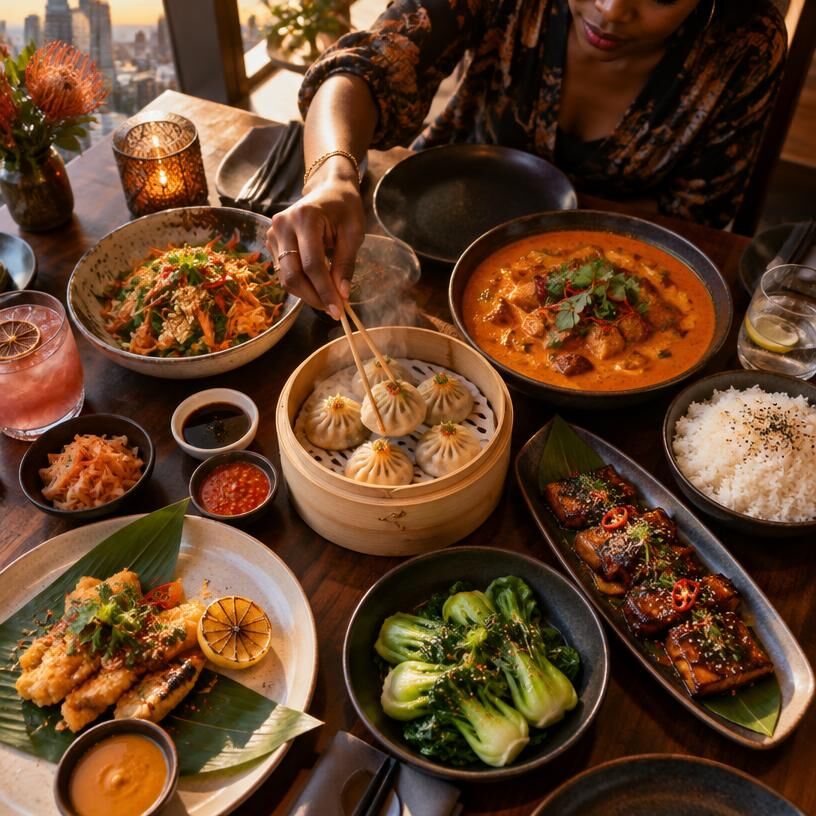
Eight Traditions to Discover
Indian — Spiced curries, biryani and Durban’s bunny chow
Chinese — Dim sum, noodles and regional stir-fries
Japanese — Sushi, ramen and precise seasonal cooking
Thai — Aromatic curries balancing sweet, sour and heat
Korean — Barbecue, kimchi and bold fermented flavours
Vietnamese — Fresh herbs, pho and crisp bánh mì
Malaysian — Coconut-rich laksa and layered spice blends
Filipino — Tangy adobo and comforting rice dishes
How Asian Flavours Found a Home Here
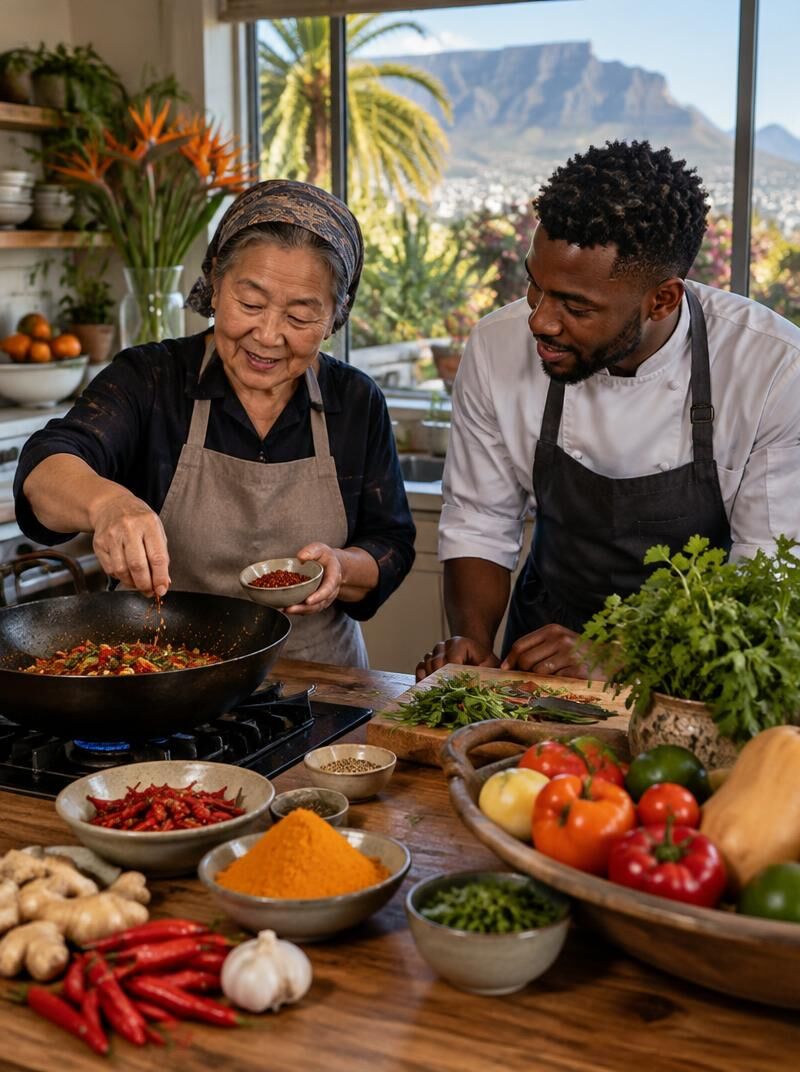
Asian food in South Africa tells a story of movement and adaptation. Indian communities brought spice traditions that evolved into Durban curries and bunny chow, while Chinese migrants introduced regional cooking styles that now share tables with Japanese sushi, Korean barbecue and Southeast Asian favourites. Across the country, cooks draw on local produce, seafood and regional tastes without losing the techniques and flavours that define each cuisine. Explore the traditions behind familiar dishes and discover how every plate reflects both its origins and its South African setting.
What Makes Each Cuisine Distinct
Ingredients, Techniques and Traditions
Pantry Foundations
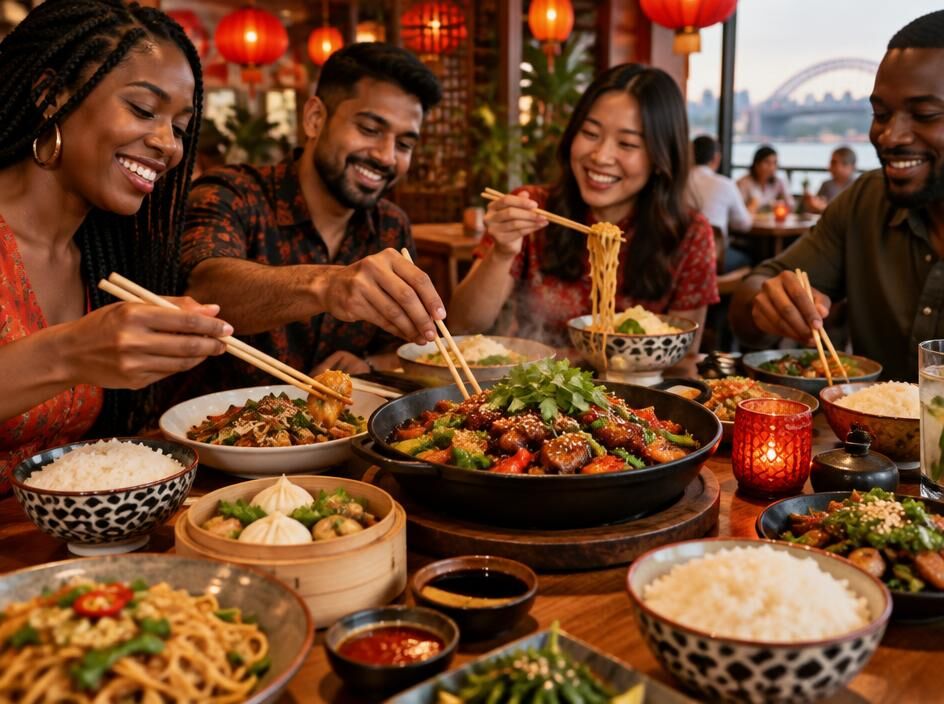
Rice, noodles, soy sauces, fermented pastes, fresh herbs and warming spices form familiar foundations, used differently across Asian kitchens.
Ways of Cooking
Wok-frying brings smoky speed, steaming preserves delicate textures, and slow simmering builds the depth of curries, broths and stews.
Layers of Flavour
Sweet, sour, salty, spicy and savoury notes meet in different proportions, from bright citrus-and-chilli dressings to rich coconut sauces.
Food for Sharing
Many meals centre on shared dishes, with rice, breads or noodles alongside small plates, condiments and food prepared for the whole table.
Popular Dishes and the Stories Behind Them
- Biryani: spiced rice layered with meat or vegetables, a celebratory favourite in South African Indian communities.
- Bunny chow: Durban curry served in a hollowed loaf, born from local Indian food traditions.
- Samosas: crisp pastry parcels filled with spiced potatoes or meat, widely enjoyed at gatherings and celebrations.
- Masala dosa: a fermented rice-and-lentil crêpe wrapped around spiced potatoes, rooted in South Indian cooking.
- Butter chicken: tender chicken in a creamy tomato sauce, a North Indian restaurant favourite.
- Roti: soft flatbread used to scoop up curries, with distinctive versions across South Asian communities.
- Dim sum: small steamed or fried dishes such as pork buns and dumplings, traditionally shared over tea.
- Jiaozi: Chinese dumplings filled with meat or vegetables, especially associated with family festivities.
- Chow mein: stir-fried noodles with vegetables and protein, a versatile Chinese-style takeaway staple.
- Sushi: seasoned rice paired with seafood or vegetables, reflecting Japanese attention to balance and presentation.
- Ramen: wheat noodles in a rich broth with toppings, a Japanese comfort-food classic.
- Teriyaki: grilled or pan-cooked ingredients glazed with soy, mirin and sugar for a glossy sweet-savoury finish.
- Pad thai: Thai rice noodles tossed with tamarind, egg and peanuts for a sweet-sour street-food favourite.
- Tom yum: a Thai hot-and-sour soup fragrant with lemongrass, lime leaves and chilli.
- Phở: Vietnamese rice-noodle soup built on aromatic broth, herbs and thinly sliced meat.
- Bánh mì: a Vietnamese baguette filled with savoury protein, pickled vegetables and fresh herbs.
- Kimchi: Korean fermented vegetables seasoned with chilli and garlic, served as an everyday accompaniment.
- Bibimbap: a Korean rice bowl of vegetables, protein and chilli paste, mixed just before eating.
From Home Kitchens to Local Tables
How Place and Community Shape Asian Food in South Africa
Asian cuisines are not single, fixed traditions. Indian food spans North Indian breads and creamy gravies, South Indian dosas and lentil dishes, and the distinctive curries of Durban’s Indian community. Chinese menus may draw on Cantonese steaming and dim sum, Sichuan chilli and peppercorn, or familiar stir-fries adapted to local tastes. Japanese, Korean, Thai and Vietnamese cooking bring their own approaches to broth, fermentation, herbs and shared meals.
In South Africa, family recipes, migration and available ingredients add another layer. Durban-style curry carries a local identity, while restaurants and home cooks may adjust heat levels, offer more vegetarian choices or substitute seasonal produce without losing the character of a dish. Exploring these variations reveals both the roots of each cuisine and the communities keeping them alive.
Find Your Next Asian Food Experience
Step 1
Step 2
Step 3
Frequently Asked Questions About Asian Cuisines
Get to know the flavours, food customs and dish origins behind Asian cuisines you can explore in South Africa.
Which Asian cuisines can I explore in South Africa?
Explore traditions including Indian, Chinese, Japanese, Korean, Thai and Vietnamese cooking, then use the directory to discover relevant food businesses in South Africa.
Are all Asian dishes spicy?
No. Heat varies by cuisine and dish: a Thai curry may be fiery, while Japanese sushi or a Chinese steamed bun is often mild. Ask a food business about spice levels before ordering.
Can I find vegetarian or vegan Asian food?
Many traditions offer plant-based dishes, such as vegetable curries, tofu stir-fries and some noodle dishes. Check ingredients and preparation methods, as sauces or stocks may contain animal products.
What should I know about halal dietary requirements?
Halal options depend on the ingredients and how a business prepares its food. If certification or separate preparation matters to you, confirm the details directly with the business.
Where did Durban bunny chow originate?
Bunny chow developed in Durban’s Indian community. This South African dish serves curry in a hollowed-out loaf of bread, reflecting local food culture as well as Indian culinary influences.
Is sushi always made with raw fish?
No. Sushi is a Japanese dish built around seasoned rice and can include cooked seafood, vegetables or egg. If you avoid raw fish, ask which fillings a business uses.
How do Chinese regional cuisines differ?
Chinese cooking spans many regional traditions. Sichuan cuisine is known for bold chilli and peppercorn flavours, while Cantonese cooking often highlights steaming and the natural taste of ingredients.
What makes Korean kimchi distinctive?
Kimchi is a Korean fermented vegetable dish, commonly made with cabbage or radish. Its tangy flavour comes from fermentation; chilli is common, but recipes and heat levels vary.
How can I find a dish I want to try nearby?
Start with a cuisine or dish that interests you, then explore directory listings for relevant restaurants, shops and food businesses in your area. Contact a business to check its current menu and availability.
Explore Asian Flavours Across South Africa
From regional favourites to dishes you have yet to try, browse Asian Food to discover cuisines and find food businesses near you.