Asian flavours, local ingredients
Cook Asian favourites in your South African kitchen
Explore recipes rooted in Asian cooking traditions, with key ingredients, practical methods and South African swaps that make every dish doable at home.

Find your next dish
Noodles & stir-fries
Curries & rice dishes
Dumplings & small bites
Street food favourites
Recipes to make at home
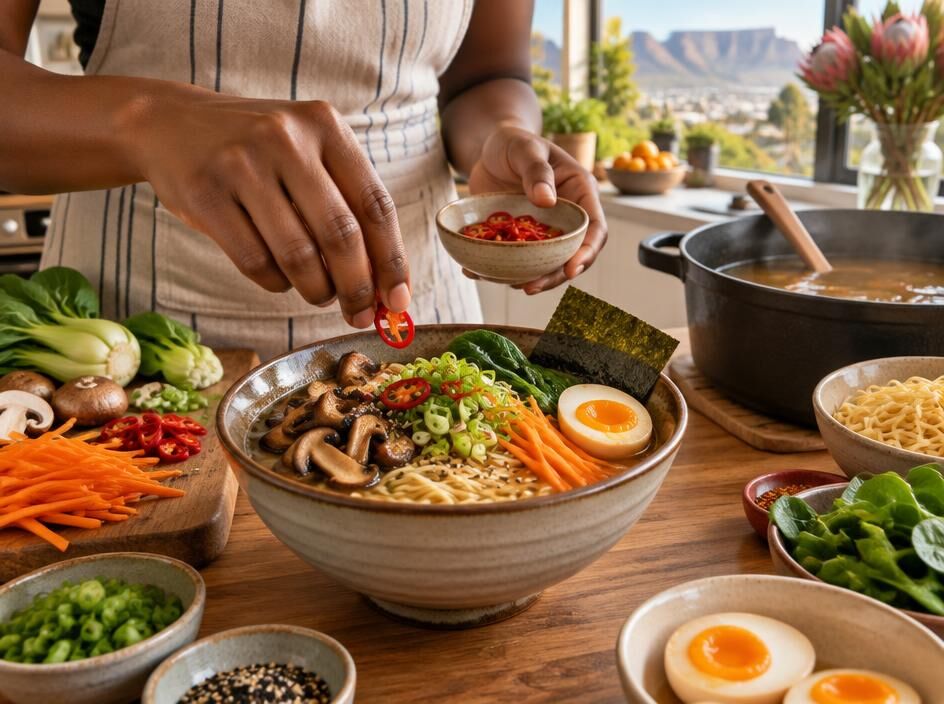
Thai Basil Chicken

Japanese Chicken Katsu Curry
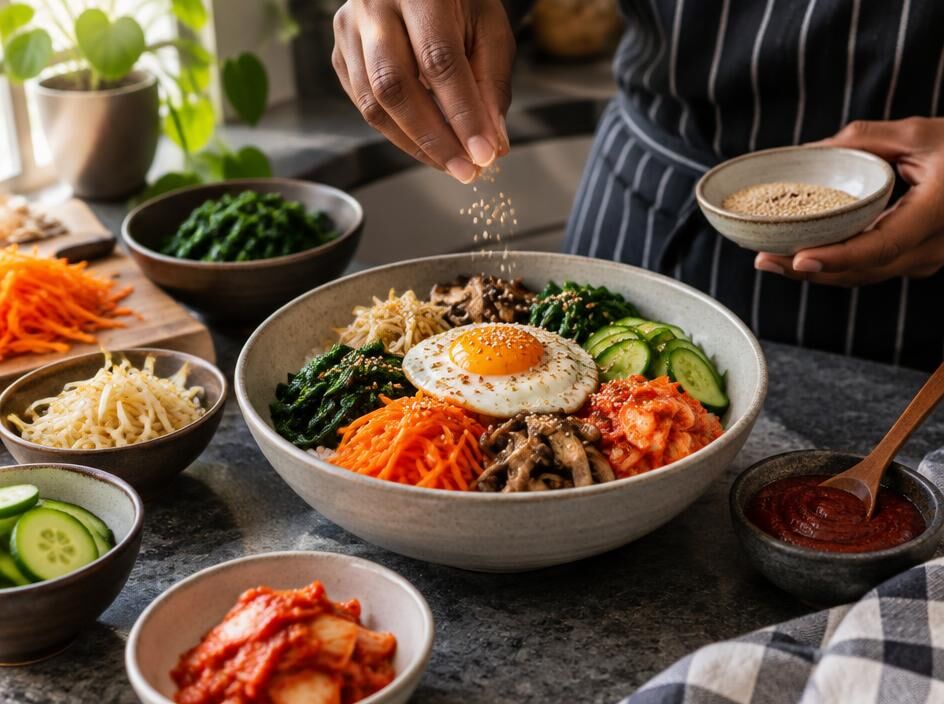
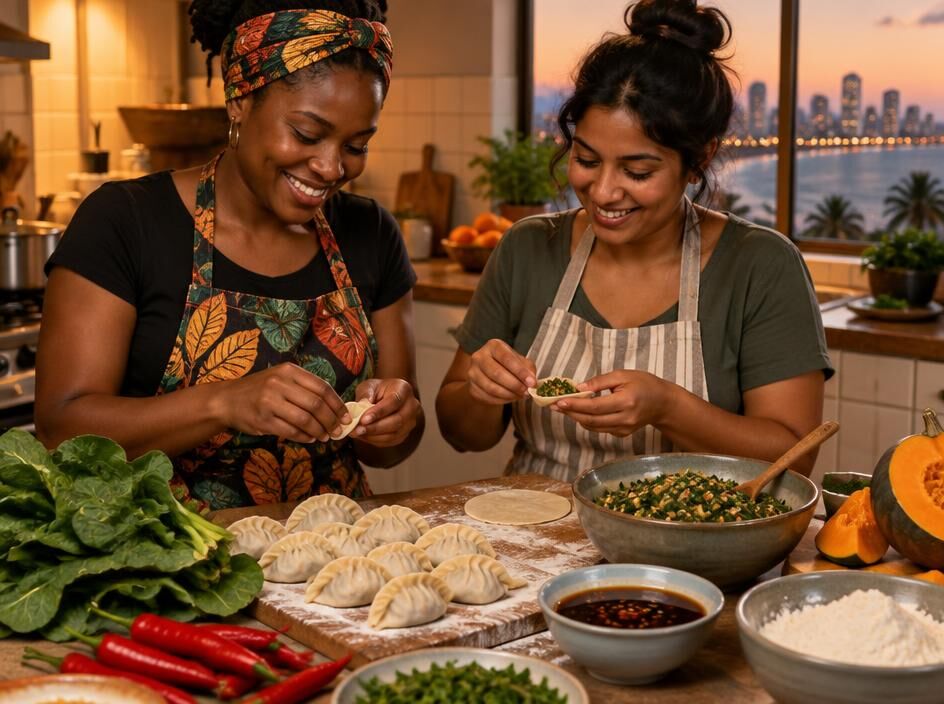
Chinese Pork & Cabbage Dumplings
Asian Pantry Essentials in South Africa
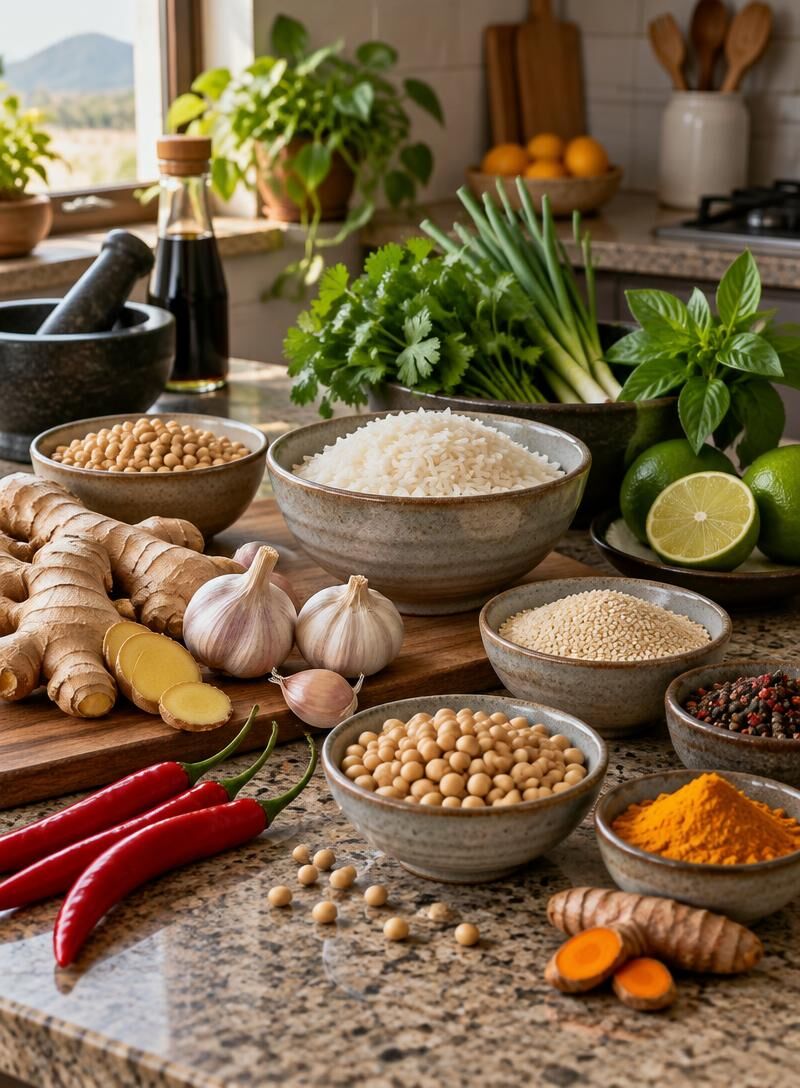
Soy Sauce & Umami
Soy sauce adds savoury depth to stir-fries, marinades and dipping sauces. Find light and dark varieties at Asian grocers or larger South African supermarkets; use light soy for seasoning and dark soy for colour.
Ginger, Garlic & Chilli
Fresh ginger brings warmth, garlic adds pungency and chilli supplies heat to curries, noodle dishes and quick stir-fries. All three are readily available at local greengrocers and supermarkets.
Rice, Noodles & Aromatics
Rice and noodles form the comforting base of many meals, while spring onions and coriander add a fresh finish. Look for jasmine rice and rice noodles in supermarket international aisles or Asian food shops.
Cook the Dish, Not the Shopping List
Asian recipes rely on a balance of salt, acid, sweetness, heat and aroma. When a specialist ingredient is hard to find in South Africa, choose a substitute that performs the same job rather than one that simply looks similar. These swaps help preserve each dish’s character while keeping your shopping practical.
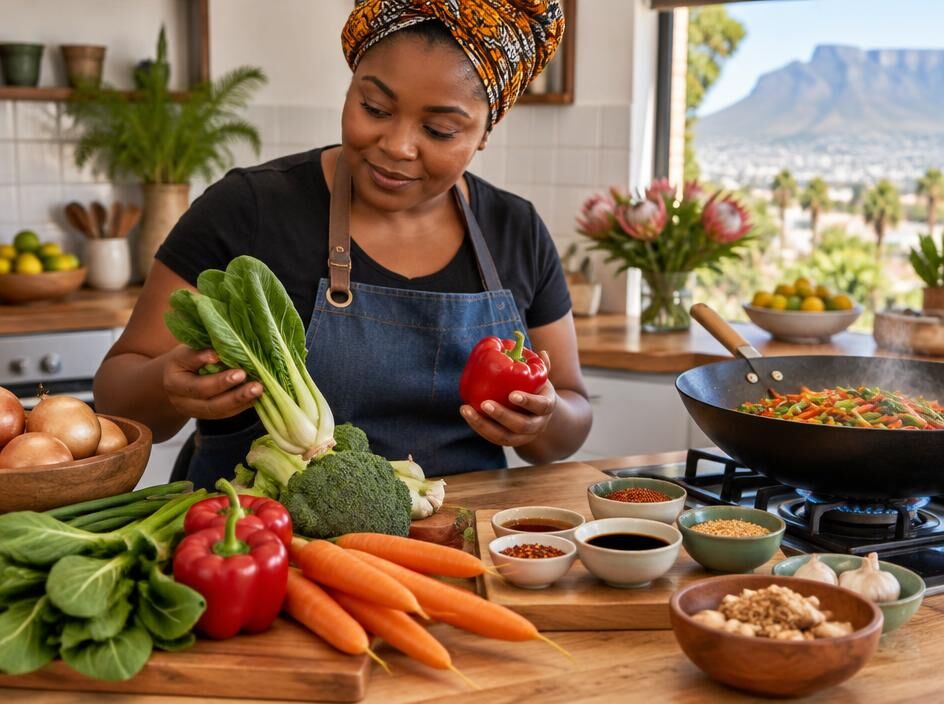
No Tamarind Paste? Build a Tangy Base
For a tangy noodle sauce or curry, replace one tablespoon of tamarind paste with two teaspoons of lemon juice and one teaspoon of brown sugar. Start with less, then taste: tamarind has a rounded sourness that sharp citrus alone cannot provide.
Swap Hard-to-Find Greens with Local Produce
Use shredded cabbage in place of napa cabbage for stir-fries, or baby spinach instead of bok choy in brothy noodles. Add spinach near the end of cooking; give firmer cabbage a little longer to soften while retaining some crunch.
Keep the Fragrance When Herbs Are Scarce
If Thai basil is unavailable, use ordinary basil with a few mint leaves for a fresh, aromatic finish. When a recipe calls for kaffir lime leaves, add a little finely grated lime zest near the end of cooking, avoiding the bitter white pith.
Stir-Frying: Fast Heat, Fresh Texture
Across parts of East and Southeast Asia, stir-frying cooks small pieces of food quickly over high heat, keeping vegetables crisp and proteins tender. Prepare and measure everything before heating the pan, then serve straight away with rice or noodles so the dish retains its texture.
Curries: Layers of Aroma
Curry traditions vary widely: a Thai-style curry may begin with an aromatic paste and coconut milk, while many Indian curries build flavour by cooking onions and spices before adding tomatoes or other liquids. In South African kitchens, take time over that first fragrant stage rather than rushing to the simmer.
Shared Tables, Different Customs
Serving styles differ as much as the recipes. Chinese-style meals often place several dishes in the centre of the table for sharing; Japanese meals may present rice, soup and accompaniments separately; and Indian meals pair curries with rice or breads. Let the featured dish guide the spread, with condiments offered on the side so everyone can adjust their plate.
Your Kitchen, Your Way
Make an Asian Recipe at Home in Three Steps
1
Choose a Dish That Suits You
Browse by cuisine, cooking time or skill level, then pick a recipe that fits your appetite and schedule.
2
Find Ingredients Close to Home
Check local Asian grocers and supermarkets for staples, and use each recipe’s suggested South African substitutions where needed.
3
Cook With What You Have
Follow the traditional flavours while adjusting the heat, equipment and techniques to suit your kitchen and confidence.
Asian Cooking in South Africa: Common Questions
Where can I buy Asian ingredients in South Africa?
Look in Asian grocery shops, supermarket international aisles and online speciality stores. Start with versatile staples such as soy sauce, rice and noodles.
What can I use instead of an ingredient I cannot find?
Choose a substitute that serves the same purpose: lemon juice for acidity, local greens for leafy vegetables or regular cabbage for napa cabbage. The recipe notes can help you keep the balance of flavours.
Can I make these recipes less spicy?
Yes. Start with less chilli or chilli paste, taste as you cook and offer extra heat at the table. Keep the other seasonings so the dish stays flavourful.
Do I need a wok to cook Asian dishes?
No. A large frying pan works for most stir-fries. Cook in small batches over medium-high heat so the ingredients sear rather than steam.
Are there recipes for beginners?
Yes. Try a simple fried rice, noodle bowl or quick curry first. Read the method before starting and prepare your ingredients ahead of time.
Can I swap proteins in a recipe?
Often you can. Chicken, tofu, eggs or locally available fish may work, but adjust cooking times and make sure meat and seafood are cooked through.
How do I keep the flavours balanced when substituting?
Taste for saltiness, sweetness, acidity and heat near the end of cooking. Add seasonings a little at a time rather than replacing them in equal amounts.
What if I cannot find fresh Asian herbs?
Use fresh coriander, spring onions or mint when they suit the dish, or leave the herb out if it is only a garnish. Avoid dried herbs as a direct substitute for fresh ones.
How can I prepare ingredients for a quick stir-fry?
Slice everything into evenly sized pieces and mix the sauce before heating the pan. Once cooking starts, keep the ingredients moving and add them in order of cooking time.
Bring a New Dish to Your Table
Pick an Asian recipe, make it with ingredients you can find in South Africa and share the local swaps that made it your own.