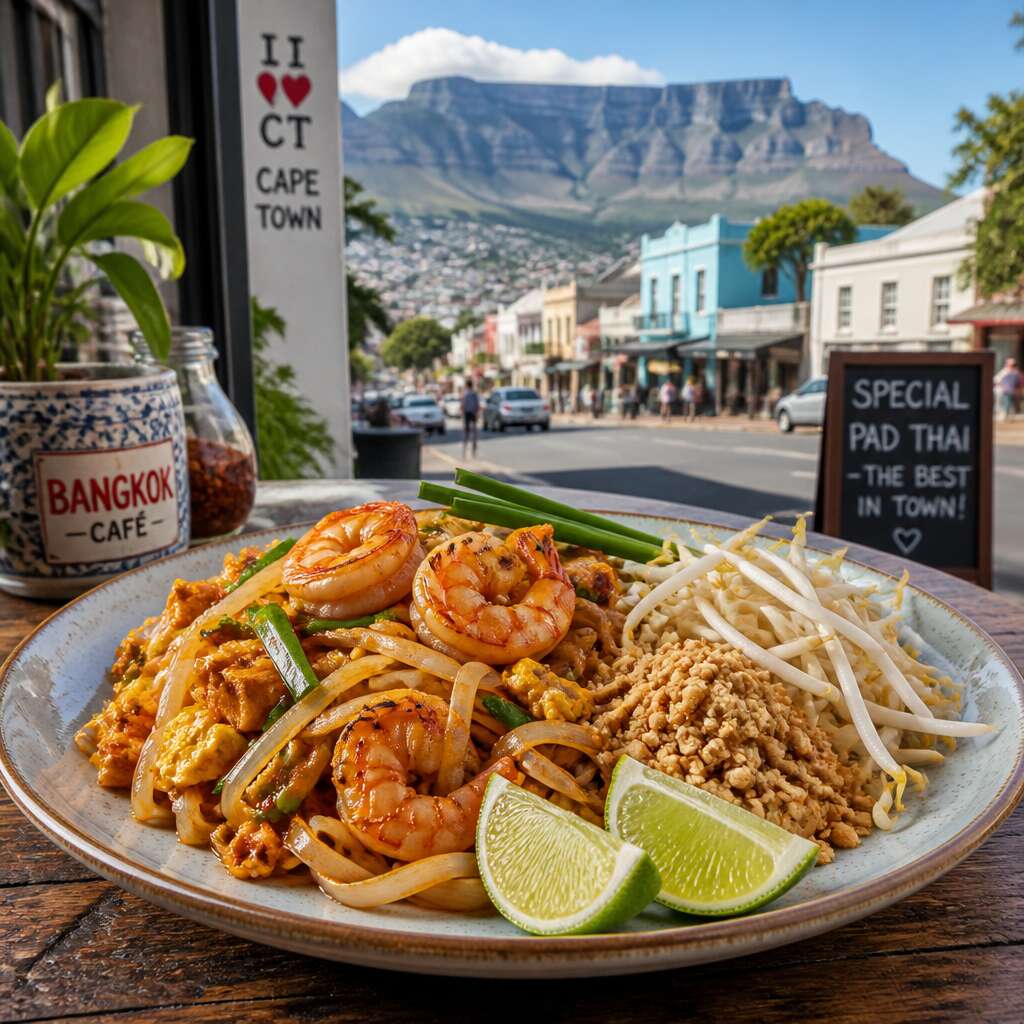
The Quest for Authentic Thai Flavors in the Mother City
Understanding the Regional Variations of Thailand’s Iconic Noodle Dish
Bangkok’s street stalls serve pad thai with a tamarind bite that wakes you up. Chiang Mai’s version leans sweeter, almost dessert like, with pork crackling and a gentler hand. This divergence is not trivia; it traces the regional history of Thai cooking. In Cape Town, the dish arrives filtered through diaspora and import logistics. The result is often a compromise, and knowing that matters.
The quest for authentic Thai flavors in the Mother City asks a harder question than most tourists think. Whose authenticity? A Bangkok vendor would not recognise the peanut-heavy plate served at many pad thai cape town eateries. A southern Thai cook might laugh at the tamarind restraint. Understanding the regional variations of Thailand’s iconic noodle dish helps you place the local version on that spectrum. I have ordered pad thai cape town bowls that tasted nothing like what I ate in Ayutthaya, and I have had versions that got the fish sauce balance exactly right. Both are honest.
Key Ingredients That Define a Truly Traditional Preparation
Thai chef Chalee Kader believed pad thai should smell like the morning market. Dried shrimp and pickled radish are the first scents to reach you. In many pad thai cape town kitchens, those are omitted because imported ingredients cost more. Yet the dish collapses without them. The balance works in four directions: palm sugar, tamarind, fish sauce and bird’s eye chili. I have had pad thai cape town versions so sweet they become dessert, and others that nail the sour bite.
- Tamarind water provides the acidic anchor.
- Palm sugar adds a slow caramel depth.
- Fish sauce supplies salinity and umami.
- Dried shrimp offer a chew that ties the textures together.
A truly traditional preparation does not treat these as optional. They are the spine of the plate.
How Cape Town’s Diverse Culinary Scene Influences Local Interpretations
Smoke from a Malay curry house curls into the vinegar tang of fish sauce on Long Street. That mix is where the search for authentic Thai flavour begins. Chefs bring in tamarind pulp and palm sugar to keep their pad thai cape town honest, yet Cape Town palates, raised on chillies and atchar, push toward a sharper bite. So the dish often turns oilier, brighter and faster than its Bangkok ancestor.
Local interpretations multiply daily:
- smoked snoek takes the place of dried shrimp
- naartjie juice substitutes for lime
- buchu leaves supply the herbal note of Thai basil
I once watched a Woodstock cook add an extra squeeze of lime for a regular who demanded it. The regulars would not have it any other way!
Spotting the Difference Between Restaurant-Quality and Street-Style Renditions
In Bangkok, street vendors flip a wok over open flames a hundred times an hour. In Cape Town, that hunger for smoky char pulls diners into dimly lit eateries where pad thai cape town is a nightly obsession. Restaurant versions arrive composed and theatrical, prawns in a fan, peanuts scattered with precision. Street-style renditions are rougher, darker, a tangle of noodles edged with wok hei.
Spotting the difference comes down to texture and timing. Restaurant-quality plates favour restraint, balancing tamarind and palm sugar into a glossy coat. Street-style bowls lean into the char, letting the edges crisp and caramelise. The quest for authentic pad thai cape town is therefore a search for that edge, that slight wildness.
- Restaurant plates: neat, polished, uniform.
- Street bowls: chaotic, crusted, alive with smoke.
I have watched both served at the same table, and the quiet diner always chooses the darker one.
Top Neighborhoods for Thai Food Lovers to Explore
City Bowl: A Hub for Upscale Thai Dining Experiences
City Bowl is where Cape Town’s Thai dining scene gets serious. The neighbourhood’s restaurants focus on refined execution, and the pad thai cape town found here reflects that ambition. Chefs build layers of heat and sourness with restraint, plating each bowl with accuracy.
For Thai food lovers exploring the area, the options range from intimate to grand:
– A ten-seat counter where the chef finishes every dish tableside.
– A heritage building with a courtyard shaded by old oaks.
– A modern spot that pairs Thai chilli paste with Western Cape wine.
Service stays unpretentious, even at the high end. If you want a considered version of pad thai cape town with proper wok char and balanced spice, City Bowl delivers without fuss.
Woodstock and Salt River: Trendy Spots with a Creative Twist
A paint factory turned restaurant in Salt River serves the most unapologetic pad thai cape town I have tasted! The chef builds each plate around a charred tamarind glaze, then tosses in pickled watermelon rind for crunch that feels almost disruptive.
Woodstock takes a parallel route. Here, creative twists cling to the dish’s sour backbone without smothering it. Expect fermented pineapple, crispy pork skin, and chilli oils made with local chilies. The neighbourhood’s energy feeds this experimentation:
- Grains from the Karoo replace noodles in one memorable bowl.
- A smoked tomato jam mimics the familiar sweet-sour balance.
Neither place pretends to be Bangkok. They simply ask what the dish can become when you stop clinging to orthodoxy.
Gardens and Tamboerskloof: Cozy Eateries for Casual Nights
Gardens and Tamboerskloof offer a quieter counterpoint to the city’s louder dining scenes. Here, small rooms and warm lighting set the mood for unhurried evenings. A bowl of pad thai cape town regulars crave often arrives with a noticeable wok char, a sign of a cook who knows the flame.
These eateries lean into comfort. You might find a family-run kitchen where the tamarind is measured with care, or a neighbourhood spot where the noodles are tossed to order while you wait. The pace is slower, deliberately so.
- Look for menus that shift with the seasons
- Ask for the chilli vinegar, it cuts through richness
- Share a few starters before the main event
That is the charm of dining here. You come for pad thai cape town and stay because the room feels like yours.
Sea Point and Green Point: Seaside Venues with Pan-Asian Menus
Sea Point and Green Point sit along the Atlantic seaboard, where ocean breezes carry the smell of salt and charcoal grills. Pan-Asian menus here blend Thai classics with Japanese and Vietnamese touches. The pad thai cape town diners find in these venues often comes with a side of ocean views. Some kitchens use local seafood like linefish or calamari in place of traditional proteins. Others focus on balance, letting tamarind and fish sauce do the work.
Consider what makes these spots worth a visit:
- Look for tables near the windows to catch the sunset.
- Ask about chef specials that might not appear on the printed menu.
I particularly enjoy how the seaside setting changes the pace. The atmosphere is livelier than the city bowl, but still relaxed. Whether you are a tourist or a local, a seaside pad thai cape town experience offers something distinct. The breeze might cool your noodles faster, but the flavours remain pronounced!
Southern Suburbs: Family-Friendly Restaurants and Takeaway Gems
Southern Suburbs hold a different rhythm. Here, pad thai cape town families seek out unpretentious eateries where children are welcome and portions arrive without ceremony. The best kitchens operate like quiet engines, churning out lime-slicked noodles for over a decade.
Takeaway counters in this region often outperform their sit-down counterparts. A plastic container of pad thai, wrapped tight, carries the same tamarind depth as any restaurant plate. I have watched owners adjust spice levels for young palates while their parents order the traditional version. This is neighbourhood cooking, refined by repetition.
- Observe the queue. Regulars know which nights the wok fire burns hottest.
- Ask for extra crushed peanuts. The housemade versions are worth it.
Family-run spots here treat the noodle as a weekly staple, not a special occasion. That familiarity produces consistency. A pad thai cape town experience in the Southern Suburbs feels less like dining out and more like visiting someone who happens to own a wok.
What Makes a Great Thai Stir-Fried Noodle Dish
The Perfect Balance of Sweet, Sour, Salty, and Umami
A great pad thai cape town plate hinges on four opposing forces. Sweet palm sugar, sour tamarind, salty fish sauce, and umami from dried shrimp. They must converge in a single bite, not arrive in sequence. Miss the balance and the noodles turn cloying or briney.
I have eaten pad thai across this city, and the best versions share one trait. The sauce clings to every strand without pooling at the base of the plate. That demands a ripping hot wok and swift, confident tossing.
The final flourish does quiet work too:
– A wedge of lime cuts through the oil.
– Crushed peanuts add texture.
– Bean sprouts bring a cool snap.
These are not garnish for show. They reset the palate so the next mouthful tastes as vivid as the first.
Noodle Texture and the Art of Wok-Frying
Texture is the first verdict a fork delivers. Properly fried noodles offer resistance with a yielding give. They should not be sticky, clumped, or slick with oil. In pad thai cape town, the best versions I have tried use sen chan, thin dried rice noodles, soaked to pliability before meeting heat.
The wok carries the task from there. A practiced cook lets the noodles rest against the metal long enough to develop charred spots, then flips them in one swift motion. This keeps the strands separate and coats each one with sauce.
What separates a memorable plate from a forgettable one is visible in the details:
- Chewy, not rubbery, noodles that spring back gently.
- A faint smokiness from the wok’s high heat.
- No pooling sauce at the bottom of the plate.
Order pad thai cape town from a place where you can watch the cook work. The confidence in their wrist movement tells you everything about the texture to come.
Fresh Garnishes and Crunchy Toppings That Elevate the Dish
The final flourish determines whether a plate feels complete. Fresh garnishes add brightness and contrast. In pad thai cape town, the standard is a wedge of lime, a scatter of raw bean sprouts, and a few garlic chives. Some kitchens add sliced red chilli or crushed peanuts for extra texture.
Crunchy toppings matter as much as the sauce. A proper plate should offer:
- Toasted peanuts with a deep, nutty bite
- Bean sprouts that stay crisp against warm noodles
- A lime wedge that releases juice when squeezed
The garnish is the last thing the cook controls. It tells you whether the kitchen pays attention.
Pairing Your Noodles with Perfect Accompaniments
Traditional Sides: Spring Rolls, Satay Skewers, and Thai Dumplings
Most people treat pad thai cape town as a single plate meal. That is a mistake. Serious Thai tables in this city treat the noodles as the centrepiece, not the whole production. The accompaniments do real work.
Spring rolls come first, shatteringly crisp, stuffed with glass noodles. Satay skewers arrive charred at the edges, dragging through thick peanut sauce. Thai dumplings, steamed or pan fried, offer a soft counterweight to the wok kissed noodles. Order at least two of these:
- Fresh spring rolls for texture contrast
- Chicken or pork satay for smoky depth
- Pork or vegetable dumplings for a gentle bite
Trust me, none of these sides compete with the pad thai cape town you came for. They extend the meal. A bite of dumpling, then a forkful of noodles, then a swipe of satay sauce. The contrast resets your palate. That is why local chefs push the full spread.
Beverage Pairings: Thai Iced Tea, Craft Beers, and South African Wines
The first sip of Thai iced tea resets the palate before you touch the noodles. Its condensed milk sweetness neutralises chilli burn while the tamarind’s tang stays intact.
Cape Town craft brewers approach this pairing with real intent. A saison lifts Thai basil’s herbal notes without overpowering the wok’s char.
- Thai iced tea: condensed milk sweetness, heat relief
- Blonde ale: citrus bridge to peanut sauce
- Chenin blanc: stone fruit and a clean finish
Serious locals debate dry Riesling versus robust porter with pad thai cape town. My palate leans toward wooded chenin from Stellenbosch! The tannins guide each component into harmony.
Choosing the Right Curry or Soup to Complement Your Meal
Ordering a fragrant bowl of pad thai cape town often tempts diners to stop there. Yet the city’s Thai kitchens offer curries and soups that can elevate the entire meal when chosen with restraint. A light tom yum with prawns balances the noodles’ richness, while a massaman curry provides a mellow counterpoint.
The trick is balance. Pad thai already carries sweetness and heat, so a green curry’s coconut cream can overwhelm rather than complement. I prefer a clear broth, such as tom kha with chicken, whose lemongrass sharpness resets the palate between bites. For the adventurous, a small portion of panang curry adds depth without diminishing the noodle’s wok char. Pairing your noodles with one considered accompaniment keeps the table honest and the flavours distinct throughout the meal.
Vegetarian and Vegan-Friendly Additions for a Plant-Based Feast
For plant-based eaters, pad thai cape town offers a surprisingly generous canvas. The wok-fired noodles already carry tamarind and palm sugar, so the perfect accompaniments should whisper, not shout. I often order a side of crispy tofu, whose golden crust soaks up the sauce without turning mushy. Fresh bean sprouts and Thai basil add a clean crunch that cuts through the sweetness.
Consider these vegan-friendly additions to build a fuller feast:
- Grilled satay skewers with a peanut sauce, if the kitchen makes it dairy-free
- Steamed jasmine rice or sticky rice to balance the intensity
- Som tam, the green papaya salad, for a tart, fiery counterpoint
The trick lies in restraint. For pad thai cape town, a heap of fried spring rolls might dilute the experience, but a small portion of pickled ginger or a side of cucumber relish keeps every bite distinct. Ask your server which vegan versions they recommend!
Dessert Options That Complete the Thai Dining Experience
After the assertive heat of a wok-fired plate, dessert menus in pad thai cape town restaurants often shift toward cool, sweet relief. I find myself gravitating toward mango sticky rice, where warm coconut cream meets ripe, yielding fruit. The sweetness resets the palate without erasing the tamarind tang from the noodles.
Fried banana with coconut sago offers a crisp exterior and soft center. Lychee sorbet, when available, cuts through with floral acidity. A whisper of pandan custard, if the house makes it, is a rare find worth ordering!
Here is what I look for when choosing a Thai dessert:
- Coconut-forward options that echo the richness of the noodles
- Fruit-based sweets with acidity to lift the final impression
- Warm preparations that contrast with cold coconut cream
Skilled kitchens in pad thai cape town treat dessert as a deliberate final note, one worth lingering over.
Spice Levels: Finding Your Heat Tolerance and Customization Tips
Ordering pad thai cape town becomes a dialogue with the chef. I ask for chilies on the side, adjusting heat by half teaspoons. Some kitchens offer a spice rack with bird’s eye chilies, sugar, fish sauce, and vinegar. That quartet lets each diner compose their own balance. Common tweaks include:
- swapping rice noodles for egg noodles
- adding beansprouts for crunch
- or topping with a fried egg
For a milder bowl, a squeeze of lime and extra sprouts cool the tongue. A splash of nam pla prik amplifies the umami. Every choice alters the dish’s character. The best pad thai cape town servers encourage this tinkering. My ritual involves crushed peanuts and tamarind water, nothing more.
Hidden Gems and Local Favorites Worth Seeking Out
Family-Run Establishments Serving Recipes Passed Down Through Generations
Hidden in Salt River’s back lanes, a family-run kitchen keeps its wok roaring past midnight. Three generations have perfected the tamarind and fish sauce balance, and the resulting pad thai cape town is a secret locals hold tightly.
The owners still press rice noodles by hand. I once watched the owner’s daughter taste a batch using her grandmother’s copper spoon. They source palm sugar from a single KwaZulu-Natal supplier, and prawns arrive daily from Hout Bay. The recipe lives only in memory.
Order these when you find the spot:
- The house special with crispy pork belly
- Fried tofu that soaks up the sauce
- An extra wedge of lime
These are loud, cramped venues filled with regulars! Finding this pad thai cape town means asking a fruit seller or following charred garlic down an alley.
Food Markets and Pop-Up Stalls Offering Quick and Flavorful Bites
The queue at a Saturday pop-up stall rarely moves fast, and nobody minds. A cook works one order at a time over a portable burner. This is the rhythm of a proper pad thai cape town experience at food markets, where charred garlic and crushed peanuts pull shoppers across the venue.
Oranjezicht City Farm Market at Granger Bay hosts a rotating cast of Thai cooks. Some weeks bring a family recipe from Durban. Other weeks, a former Bangkok vendor tweaks his tamarind ratio. The best stalls show clear signals:
- Rice noodles cooked to order, never pre-soaked
- Fresh bean sprouts and garlic chives within reach
- Palm sugar dissolved into the sauce
Regulars order early, watch the wok work, and accept the heat. This fast, casual version of pad thai cape town needs no reservations. Just a plastic fork, a cold drink, and an appetite.
Late-Night Spots for Post-Adventure Cravings
Late-night pad thai cape town hides in plain sight. The best finds rarely have a website. They might share a counter with a shisa nyama or open after midnight in a quiet strip mall.
Take the small trailer on Lower Main Road in Observatory. It appears around 9pm. The cook uses a single wok and a family sauce recipe. Students, bouncers, and night nurses form an unassuming queue. There is no seating, just a kerb and a cold wind.
– Cash only, and the portions are generous
– Ask for extra crispy shallots
– Bring your own container if you want a larger serving
Another late-night favourite operates behind a petrol station in Bellville. The tamarind hits first, then the heat. For a proper post-adventure craving, this is the pad thai cape town that no influencer has discovered.

0 Comments